
Behavior & feelings
Separation Anxiety: A Kinder Goodbye That Still Holds the Boundary
6 min read · Updated September 2026 · Medically reviewed by Dr. Art Davis, MD
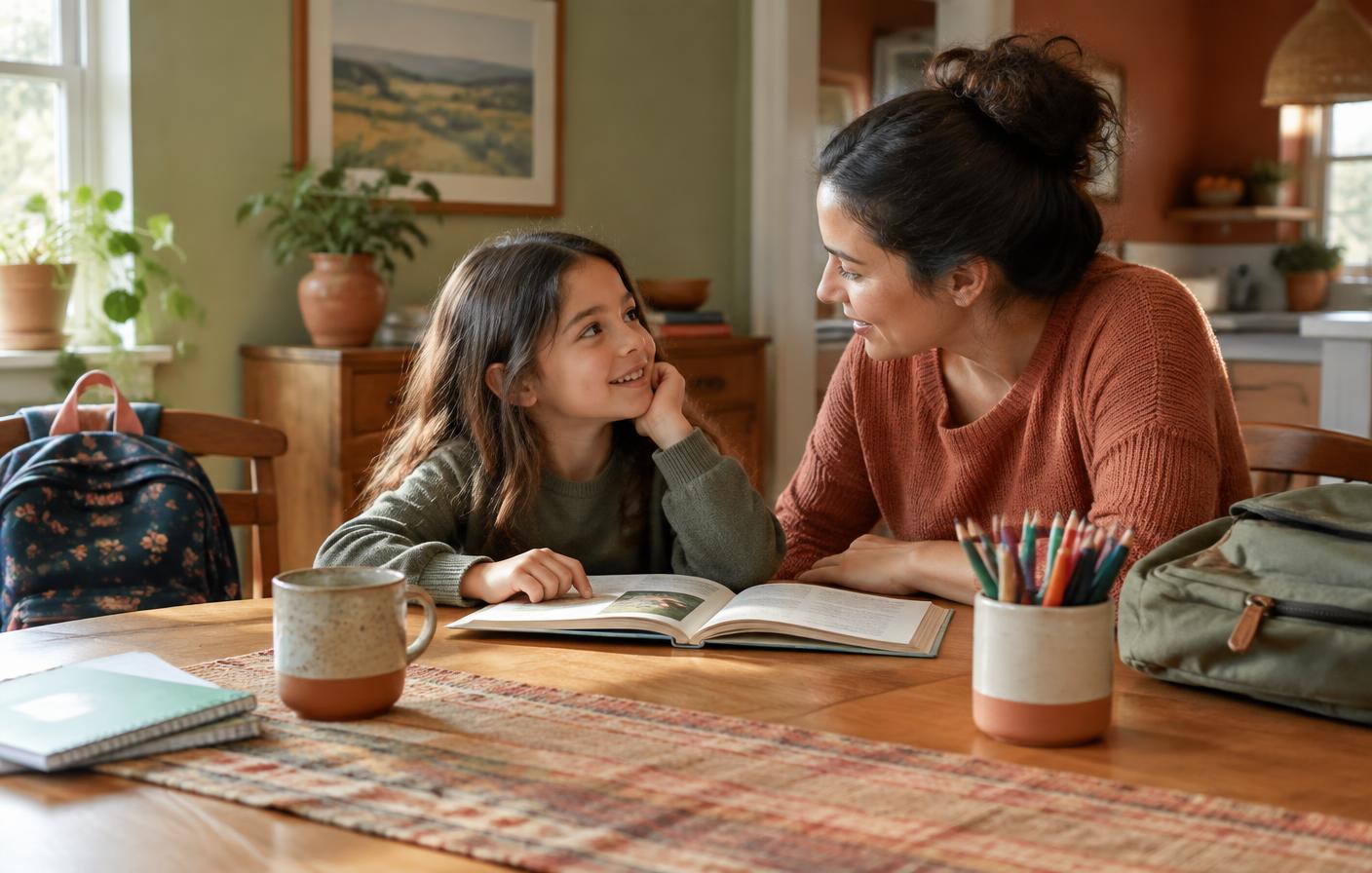
How to make drop-offs more predictable without sneaking away or stretching goodbye into a daily negotiation.
Make goodbye predictable
Use the same short ritual and tell your child when you will return in language they understand, such as after snack or after rest time.
Let the caregiver take over
A confident handoff communicates safety even when your child is upset.
- Never disappear without saying goodbye.
- Keep your face and voice calm.
- Ask the caregiver how quickly your child settles after you leave.
Look beyond a normal phase
Seek support if distress is severe for weeks, prevents school attendance, causes repeated physical symptoms or limits ordinary family life.
The takeaway
A brief, honest goodbye builds more security than a long uncertain one. Feelings are allowed; the safe separation can still happen.
This article is for educational purposes only and is not a substitute for individualized medical advice, diagnosis, or treatment. If you have concerns about your child's health, please consult your pediatrician or healthcare provider.
What else do you want to know?
Tell us what this guide didn't answer. We use parents' questions to decide what to write next. Please don't include names or personal health details.