
Articles
Helpful answers, without the overwhelm. Every guide is written to be useful, calm and specific. Timely reads explain what matters now; practical guides build skills you can use at home.
24 guides
What Healthy Sleep Actually Looks Like in the First Two Years
A practical guide to changing sleep patterns, realistic expectations, and when parents should seek professional advice.
Development Milestones: What Matters and What Varies
How to think about development without comparing every child to a rigid timeline.
Handling Toddler Tantrums With Less Stress
Simple, practical approaches for big emotions and difficult moments.
Staying Connected as Independence Grows
Communication strategies that respect autonomy while keeping parents involved.

RSV, Flu, or a Cold? What Parents Should Watch For
A calm symptom guide for respiratory illness season, including the signs that need urgent care.

Healthy Screen-Time Boundaries by Age
Realistic screen habits for toddlers, school-age children, and teens—without guilt or all-or-nothing rules.

How to Build a Bedtime Routine That Actually Works
A repeatable five-step routine for calmer evenings, easier transitions, and more consistent sleep.
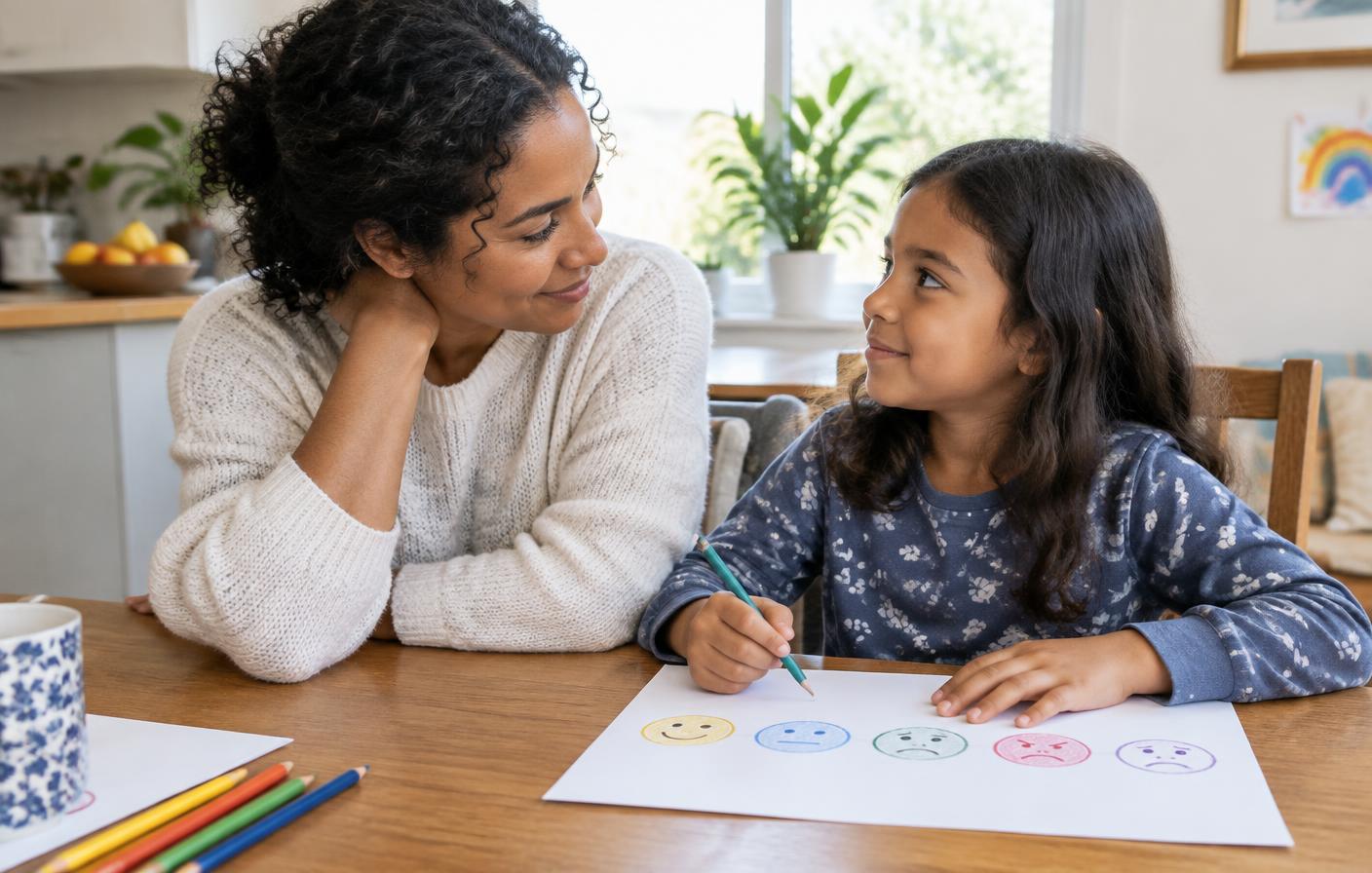
How to Teach Children to Handle Big Feelings
A practical method for naming emotions, calming the body, and solving problems after the storm passes.
Sleep for 10–12 Year Olds: Why It Slips, and How to Get It Back
Tweens need nine to twelve hours of sleep, and most get far less. A practical plan for earlier nights, later body clocks, and screens.

Feeding a Pre-Teen: Growth Spurts, Bigger Appetites, and Body Talk
Why 10–12 year olds suddenly eat constantly, which nutrients matter most now, and how to talk about food and bodies without harm.
Puberty and Development at 10–12: What Is Typical
Physical changes, mood swings, shifting friendships, and the wide range of normal timing in the tween years.

The Pre-Teen Check-Up: How to Make the Annual Visit Count
What happens at a 10–12 year old's well visit, which vaccines are due, and how to prepare so your tween gets real value from it.
Baby Sleep Regressions: What Changes and What Helps
A calm guide to sudden night waking, short naps and getting through a disrupted stretch without rebuilding everything.
Toddler Bedtime Battles: A Seven-Night Reset
A realistic one-week plan for stalling, repeated call-backs and toddlers who seem wide awake at bedtime.
When Toddlers Hit or Bite: What to Do in the Moment
Simple words and actions that keep everyone safe while teaching a skill toddlers do not have yet.
Separation Anxiety: A Kinder Goodbye That Still Holds the Boundary
How to make drop-offs more predictable without sneaking away or stretching goodbye into a daily negotiation.
Speech and Language: What to Notice and When to Ask
A practical look at communication progress, hearing, gestures and signs that deserve an earlier conversation.
Toilet Learning Without a Power Struggle
Readiness signs, a low-pressure setup and what to do when progress stops or fear takes over.
Fever by Age: Home Care, a Call, or Urgent Help?
A clear age-based guide to temperatures, comfort, hydration and the warning signs parents should not wait on.
Childhood Rashes: What Can Wait and What Cannot
How to observe a rash safely and recognize the combinations of symptoms that need prompt medical care.
Picky Eating Without Pressure: A Better Family Table
How to divide the feeding jobs, reduce battles and help children learn foods over time.
Starting Solids Safely: Readiness, Allergens and Gagging
A clear first-food guide covering readiness, texture, common allergens and the difference between gagging and choking.
Is My Child Ready for a First Phone?
A readiness checklist and family plan for privacy, nighttime use, group chats and what happens when rules are broken.
How to Talk So Your Tween Keeps Talking
Conversation habits that lower pressure, protect trust and help parents hear what is really going on.