
Parent Skills
How to Teach Children to Handle Big Feelings
8 min read · Updated September 2026 · Medically reviewed by Dr. Art Davis, MD
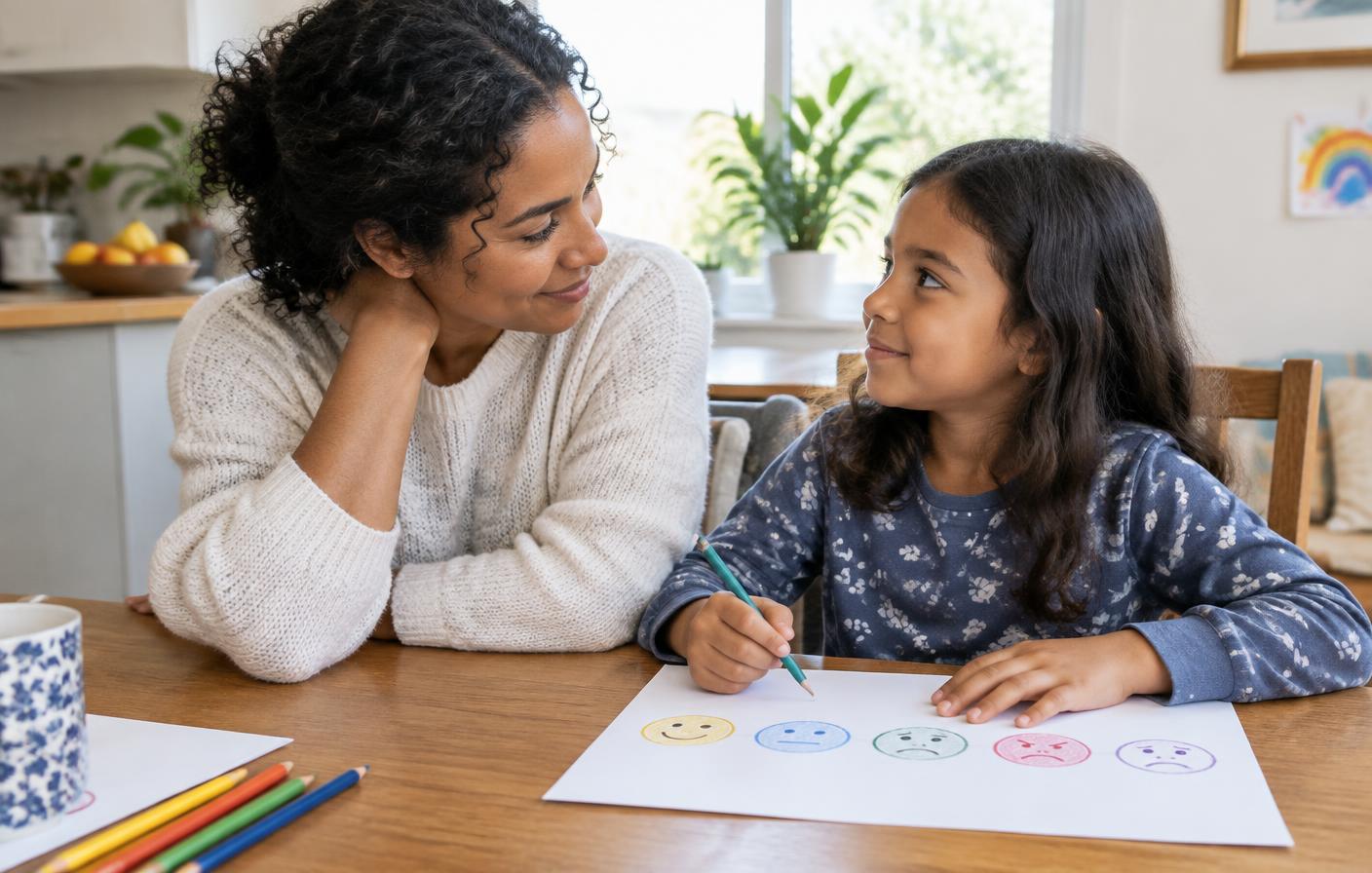
Children are not born knowing how to regulate strong emotions. They borrow calm from adults, learn words for what is happening inside them, and practice strategies many times before they can use those skills independently.
Step 1: Name feelings during calm moments
Use everyday moments, books, and your own experience to build emotional vocabulary: disappointed, worried, frustrated, lonely, excited. Avoid labeling the child—say 'You feel angry' rather than 'You are angry.' Feelings change; identity is bigger than one moment.
Step 2: Notice the body's early signals
Help your child identify clues that arrive before an explosion: a tight jaw, hot face, fast heart, clenched hands, or urge to run. Catching emotion at a four out of ten gives them more choices than waiting until it reaches ten.
Step 3: Practice two calming tools
Choose just two strategies and rehearse them while everyone is calm. Slow breathing, pushing hands against a wall, squeezing and releasing fists, drinking water, or taking a brief movement break can help the nervous system settle.
- Model the tool yourself: 'My shoulders feel tight, so I am taking three slow breaths.'
- Create a calm place, not a punishment corner, with a seat and a few simple sensory tools.
- Do not demand deep breathing during a full meltdown if it makes your child more upset; offer quiet presence instead.
Step 4: Hold the safety limit
All feelings are allowed; not all actions are. Use few words: 'You can be angry. I won't let you hit.' Move objects or people to safety, stay nearby, and save teaching for later.
Step 5: Repair and problem-solve afterward
Once calm returns, briefly review what happened. Name the trigger, notice what helped, and choose one thing to try next time. If someone was hurt, guide a meaningful repair—checking on them, helping rebuild, or offering an apology when ready.
Seek support if emotional outbursts are frequent, extreme, dangerous, interfere with school or family life, or come with persistent anxiety, sadness, sleep changes, or loss of skills.
The takeaway
Teach emotion skills outside the crisis, keep everyone safe during it, and solve the problem afterward. Regulation grows through repeated practice with a calm adult—not punishment for having feelings.
This article is for educational purposes only and is not a substitute for individualized medical advice, diagnosis, or treatment. If you have concerns about your child's health, please consult your pediatrician or healthcare provider.
What else do you want to know?
Tell us what this guide didn't answer. We use parents' questions to decide what to write next. Please don't include names or personal health details.